

Silk Pillowcase for Curly Hair: Night-Time Setup
Strands of Silk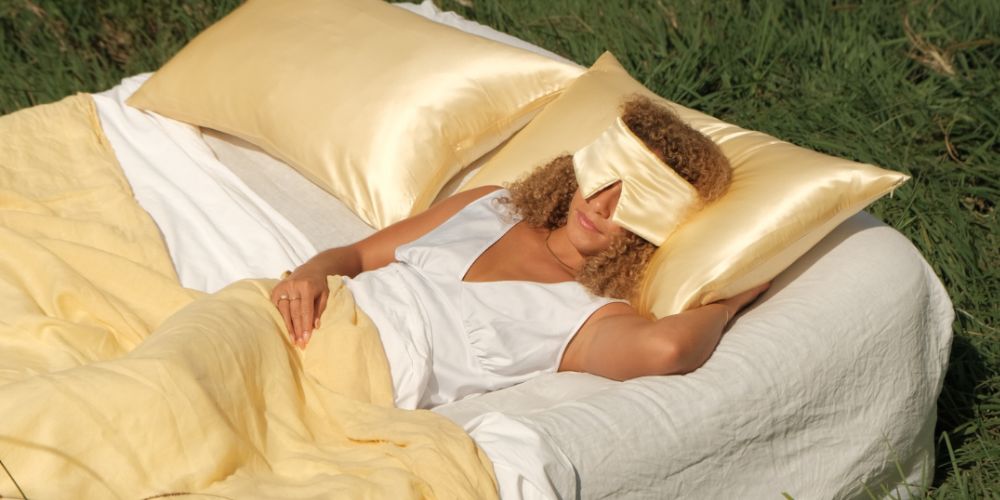
You can spend twenty minutes coaxing definition into your curls and lose all of it by 7am. The usual suspect is not your styling routine. It is the surface your head rests on for seven or eight hours a night. A silk pillowcase for curly hair changes that surface, and the setup around it is simpler than most curl routines you have tried.
The goal is not perfection. It is waking up with curls that still resemble the ones you went to bed with, fewer tangles to fight through, and less breakage along the ends. Here is how to build that setup step by step, plus what silk can realistically do and what it cannot.
Why Your Pillowcase Matters More Than You Think
Curly and coil-textured hair is more vulnerable to friction than straight hair. The strands twist around each other, creating natural catch points, and every turn against a rough surface pulls at those points. Cotton is absorbent by design, which is useful for towels and less useful for hair.
Silk works differently on two fronts. Its smooth surface glides over hair, preventing tangles and split ends. Silk also does not wick away oils the way cotton does, so the natural moisture in your hair stays closer to where it belongs. That combination is why pure silk pillowcases are recommended for keeping hair hydrated and reducing frizz, especially for curly and coil-textured hair.
Friction is the bigger issue over time. A rougher surface contributes to breakage and split ends around the hairline and on the outer edge of the curl pattern, where hair is oldest and most exposed. A smoother pillowcase reduces that everyday wear.
Cotton, Satin and Silk: How They Compare
The three terms get used interchangeably, but they are not the same thing. Satin describes a weave. Silk describes a fibre, which can be woven into satin or other finishes. That distinction matters when you are reading product labels.
Surface |
What it is |
Effect on curls |
|---|---|---|
Cotton |
A natural fibre woven into a standard pillowcase |
Absorbs oils and moisture from hair, and creates more friction than satin or silk, so curls can snag and tangle overnight |
Satin finish |
A weave rather than a fibre, so the base material can vary |
Smooth enough to reduce frizz, keep curls defined and bouncy, and avoid snagging or pulling |
Mulberry silk |
A natural protein fibre, often woven with a satin finish |
Reduces friction and offers slightly superior moisture retention compared with satin in testing, which is why silk is often treated as the gold standard for hair and skin |
Both satin and silk reduce friction, so neither is a bad choice. Silk carries the edge on moisture retention and is the surface most often recommended for curly hair that already runs dry.
The Night-Time Setup, Step by Step
The setup is a sequence, not a single purchase. Work through these steps in order and keep each one light.
Detangle gently before bed. Use your fingers or a wide-tooth comb on damp, conditioned hair rather than dry hair. Pulling through dry curls creates the exact breakage you are trying to avoid overnight.
Add a small amount of moisture. A light leave-in conditioner or a few drops of oil on the ends helps hair hold hydration through the night. Keep it modest, because a heavy hand transfers product onto the pillowcase.
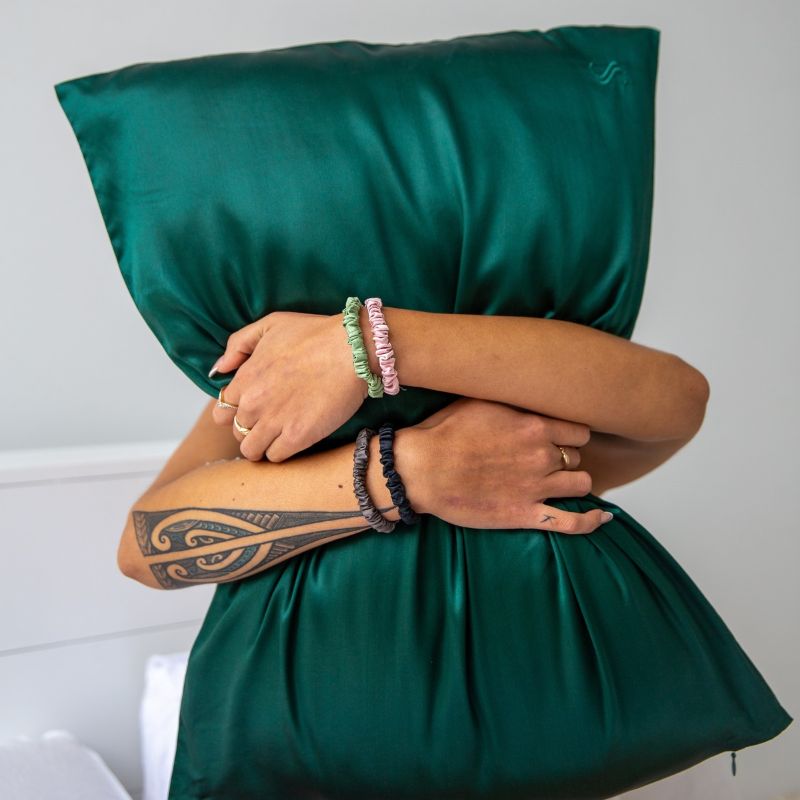
Gather curls loosely on top of your head. A loose, high bun or a pile of curls gathered with a silk scrunchie keeps length off your face and reduces the surface area pressed against the pillow. Tight styles pull at the roots and leave dents.
Choose your protection layer. A silk pillowcase, a silk bonnet, or both. Many curl routines use a bonnet with a pillowcase underneath as backup for the nights the bonnet slips off.
Sleep, then refresh in the morning. Mist with water, scrunch, and let the curls settle back into shape. You should be correcting small details rather than rebuilding the whole style.
Pillowcase, Bonnet, or Both?
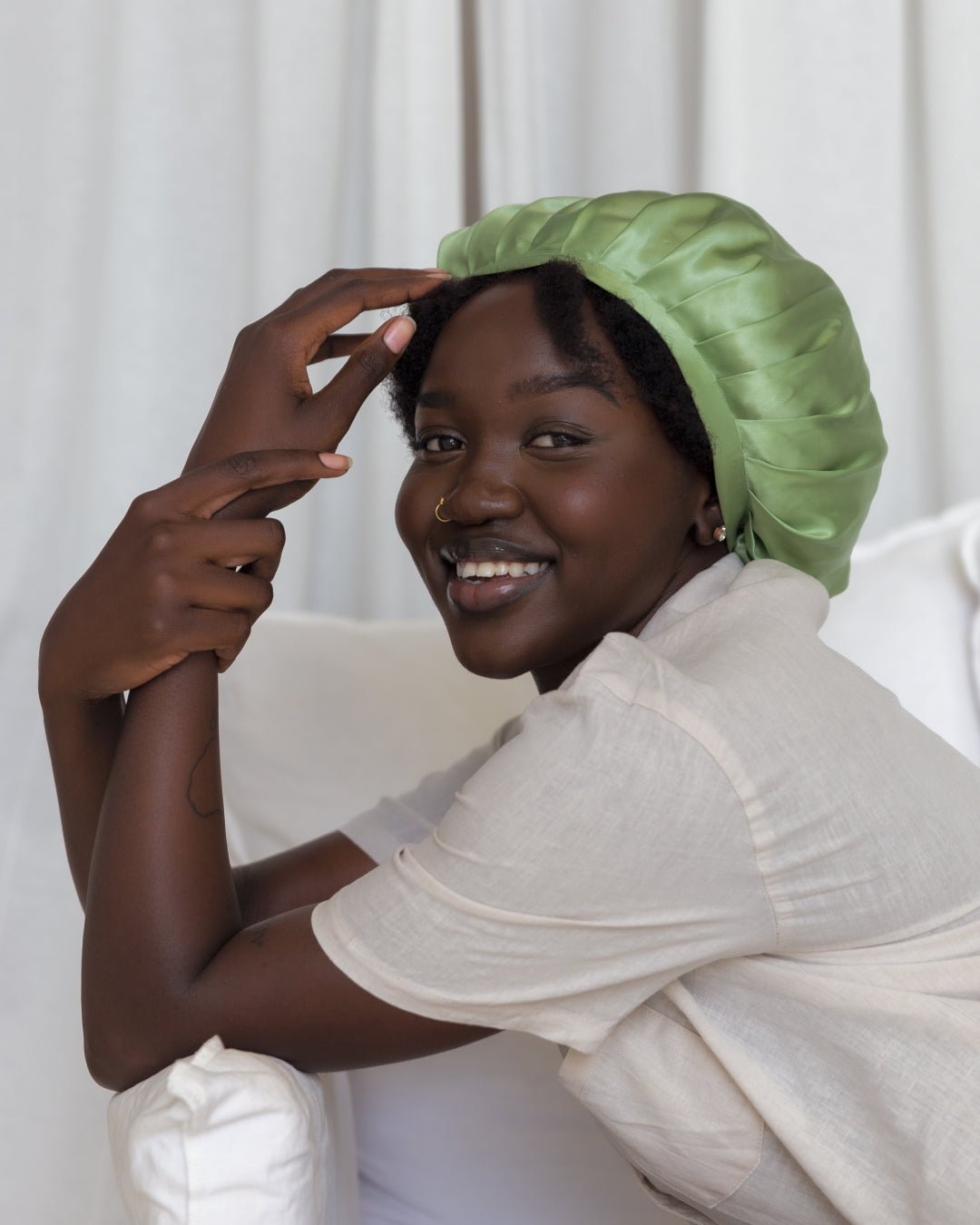
A silk pillowcase protects the hair that touches it, which covers most of what matters: the back, the sides and the ends that rest against the fabric. A bonnet contains the whole head, so it protects curls from rubbing against each other as well as against the pillow.
Silk bonnets and silk pillowcases solve the same problem from different angles, and silk scarves work as a third option. If your curls are long, dense or prone to shrinking into tangles, a bonnet gives more coverage. If you find bonnets uncomfortable or they slide off, a pillowcase does the heavy lifting on its own. Pairing the two is the most forgiving arrangement, particularly during the adjustment period when you are still working out what your hair tolerates overnight.
What to Look For in a Silk Pillowcase
Not all silk is equal, and the label tells you most of what you need. Momme measures silk density and weight, and a higher momme generally means a more substantial, durable fabric. Grade refers to the quality of the silk fibres. Certification tells you whether the fabric has been assessed against restricted substance standards.
For reference, Strands of Silk uses 19 Momme, 6A grade, Oeko-Tex certified mulberry silk across its sleep range, which includes standard pillowcases, triangle styles and sets. The brand is Australian owned and dispatches from Melbourne, with a 100-night trial and a review score of 4.8 out of 5 from more than 1,000 reviews. Check the momme, grade and certification on any pillowcase you consider, and confirm whether the fabric is mulberry silk rather than a polyester satin.
Washing and Day-to-Day Care
Silk is durable but it does not respond well to rough handling. Wash pillowcases regularly, since oils and styling product build up on the surface and reduce the smooth glide you bought them for.
Follow the care label on your specific pillowcase, as instructions vary between makers.
Use a gentle detergent and cool water, and avoid harsh bleach or brightening agents.
Skip the tumble dryer if the label advises it, and air dry away from direct sun.
Keep a second pillowcase in rotation so you are never tempted to stretch time between washes.
A rotation of two pillowcases makes the habit much easier to maintain, and it also means the silk has time to recover between uses.
What Silk Can and Cannot Do
Silk reduces the friction that causes curly hair breakage, frizz and tangles, and it helps hair hold moisture better than cotton. That is a meaningful improvement in the condition of your hair over weeks and months, especially around the ends.
What it will not do is cure hair loss. A silk pillowcase is not a treatment for thinning, and anyone noticing significant shedding should speak to a health professional. Think of the pillowcase as one part of a routine that reduces daily wear, alongside gentle detangling, regular conditioning and avoiding tight styles.
Frequently Asked Questions
Is silk better than satin for curly hair?
Silk is the fibre and satin is the weave, so the comparison is slightly uneven. Both reduce friction, which is why satin pillowcases help with frizz and keep curls defined. Silk has the edge on moisture retention in testing, so for dry or brittle curls it is generally the stronger choice.
Can a silk pillowcase stop frizz completely?
No surface stops frizz entirely, because humidity, product buildup and how you handle your hair all play a part. What silk does is reduce the friction that contributes to frizz and tangles overnight. Most people notice less bedhead and easier morning refresh rather than a perfect curl every day.
Should I use a silk bonnet or a silk pillowcase?
Many curl routines use both. A bonnet contains the whole head and stops curls rubbing against each other, while a pillowcase protects the hair that touches the fabric if the bonnet slips off. Start with whichever suits your sleep style and add the second if you want extra coverage.
Will a silk pillowcase help with hair loss?
It will not cure hair loss, and it is not a treatment. It can reduce breakage and split ends by minimising friction, which supports the overall condition of your hair. Noticeable thinning or sudden shedding deserves a conversation with a health professional rather than a change of bedding.
How often should I wash a silk pillowcase?
Wash it often enough that oils and styling product do not build up on the surface, and follow the care label that came with your pillowcase. Keeping two in rotation makes regular washing much easier and gives the fabric a rest between uses. Air drying away from direct sun helps the silk hold its finish.
A silk pillowcase for curly hair earns its place because it removes a source of damage that runs for eight hours a night, every night. Build the setup around it, keep the fabric clean, and judge the results across a month rather than a single morning. Your curls will tell you soon enough.